
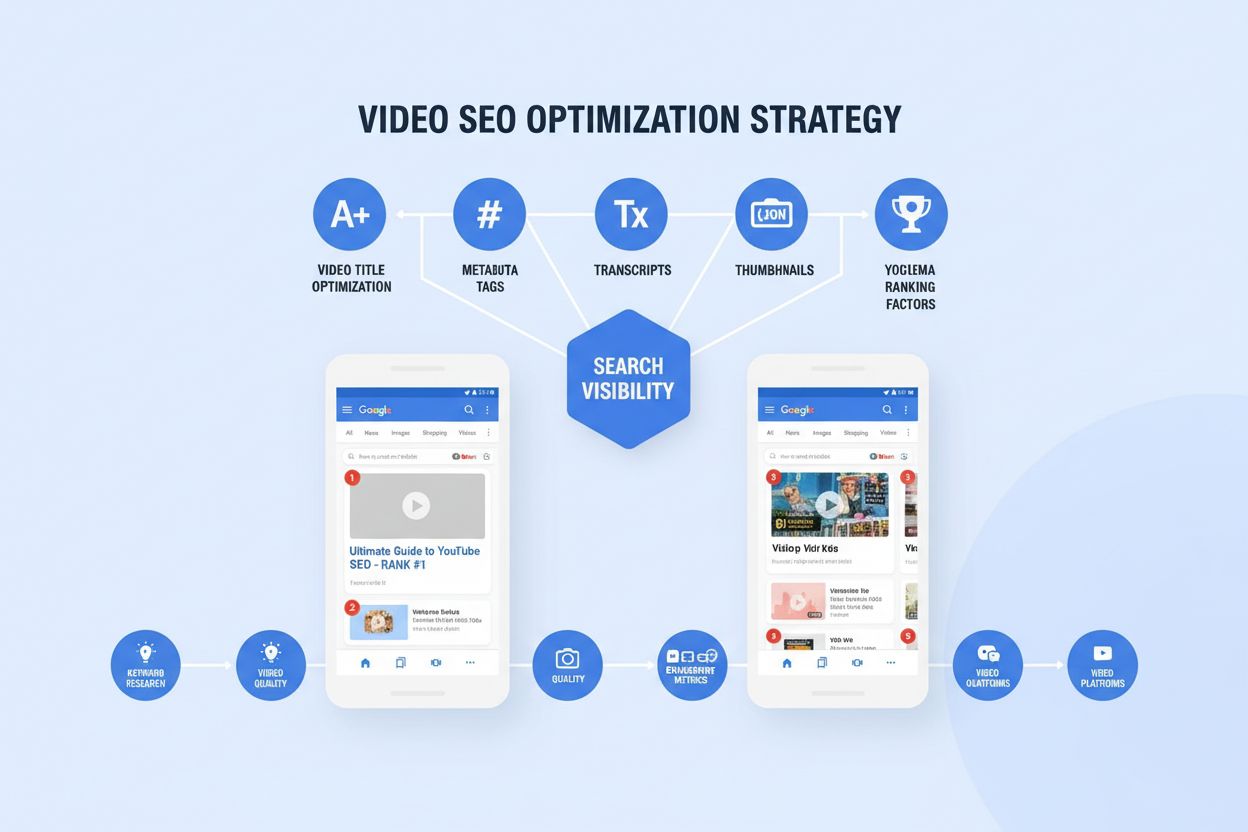
Video SEO
Learn what Video SEO is and how to optimize video content for search engines. Discover best practices for ranking videos on Google, YouTube, and AI Overviews.
11 min read
YouTube SEO is the process of optimizing YouTube videos and channels to rank higher in YouTube search results and Google video search. It involves strategic optimization of video metadata, content quality, engagement signals, and channel authority to increase visibility and drive more views to video content.
YouTube SEO is the process of optimizing YouTube videos and channels to rank higher in YouTube search results and Google video search. It involves strategic optimization of video metadata, content quality, engagement signals, and channel authority to increase visibility and drive more views to video content.
YouTube SEO is the process of optimizing YouTube videos, channels, and metadata to rank higher in YouTube’s search results and Google’s video search features. It encompasses strategic optimization of video titles, descriptions, tags, thumbnails, captions, and channel elements to improve visibility and drive more views to video content. Unlike traditional search engine optimization for web pages, YouTube SEO prioritizes engagement metrics such as watch time, audience retention, click-through rate, and viewer satisfaction as primary ranking signals. The goal is to make video content more discoverable to both YouTube’s algorithm and human viewers searching for relevant information or entertainment.
The YouTube algorithm is an automated system that determines which videos appear in search results, suggested video sidebars, homepage recommendations, and trending pages. Every minute, more than 400 hours of new video content is uploaded to YouTube, making algorithmic prioritization essential for content discovery. YouTube’s algorithm has evolved significantly from its early days when videos were ranked primarily by view count, which led to clickbait content dominating search results. Today, the algorithm considers dozens of factors to identify and promote content that provides genuine value to viewers.
The YouTube search ecosystem extends beyond YouTube’s platform itself. Videos optimized for YouTube SEO can appear in Google’s main search results, Google’s dedicated video search tab, Google Images, and the Discover feed. Research indicates that 58% of Google video results are sourced from YouTube, making YouTube SEO critical for overall search visibility. Additionally, video content can increase organic traffic from search engine results pages by 157%, demonstrating the substantial impact of proper video optimization. Understanding how YouTube’s algorithm works across these multiple touchpoints is essential for maximizing video visibility and reach.

Track how AI chatbots mention your brand across ChatGPT, Perplexity, and other platforms.
YouTube’s ranking algorithm considers multiple factors when determining video placement in search results. Watch time is the total duration that users spend watching a video, measured in minutes or hours. Videos with higher cumulative watch time receive algorithmic boosts because they signal to YouTube that the content is valuable and engaging. Channel watch time extends this concept to the entire channel level; channels with high total watch time on specific topics gain authority status, which improves rankings for future videos on those topics.
Audience retention measures the average percentage of a video that viewers watch before stopping. This metric is displayed in YouTube Analytics as both relative retention (percentage of video watched) and absolute retention (average minutes watched). Videos with strong audience retention demonstrate that content is compelling and relevant, triggering higher rankings. Click-through rate (CTR) represents the percentage of YouTube searchers who click on your video when they see it in search results or suggestions. A higher CTR signals to YouTube that your title and thumbnail effectively communicate value, prompting algorithmic promotion.
Engagement metrics including likes, comments, shares, and subscriber growth after watching a video are important ranking signals. When viewers leave comments, they demonstrate active engagement with content, which YouTube interprets as a positive quality indicator. Video length also correlates with better rankings; longer videos (typically 15+ minutes) tend to outperform shorter videos in YouTube search results, though content quality remains paramount. Session duration and session starts measure how long users remain on YouTube after watching your video and whether your video initiates a viewing session, both of which influence algorithmic ranking decisions.
| Factor | YouTube SEO | Traditional Web SEO | Key Difference |
|---|---|---|---|
| Primary Ranking Signal | Watch time and audience retention | Backlinks and domain authority | YouTube prioritizes engagement; web SEO prioritizes authority |
| Content Format | Video files with metadata | Text, images, and HTML structure | Video requires different optimization approach |
| Keyword Placement | Title, description, tags, captions, script | Title, headings, body text, meta tags | YouTube can analyze video speech via transcription |
| Engagement Metrics | Likes, comments, shares, subscriptions | Click-through rate, bounce rate, time on page | YouTube emphasizes community interaction |
| Search Results Display | Video thumbnails with titles | Text snippets with meta descriptions | Visual elements critical for YouTube CTR |
| Cross-Platform Ranking | YouTube + Google video results | Primarily Google web results | YouTube videos can rank in Google search |
| Algorithm Transparency | YouTube provides limited algorithm details | Google publishes E-E-A-T guidelines | Both platforms keep algorithms proprietary |
| Optimization Timeline | Results visible in 3-4 weeks | Results visible in 2-3 months | YouTube algorithm tests videos faster |
Get the latest insights on AI mentions, brand monitoring, and optimization strategies.
Video title optimization is the foundation of YouTube SEO. Your title should be at least 5 words long to accommodate your target keyword without appearing spammy. Placing your primary keyword near the beginning of the title provides an additional ranking boost, as YouTube gives more weight to early-appearing keywords. The title should clearly communicate the video’s value proposition to both the algorithm and potential viewers. For example, a title like “YouTube SEO Tutorial: How to Rank Videos in 2025” is more effective than simply “YouTube Tutorial” because it includes the target keyword and promises specific value.
Video descriptions should be at least 250 words and include your target keyword within the first 25 words. This placement helps YouTube immediately understand your video’s topic. Include your keyword 2-4 times throughout the description naturally, without keyword stuffing, which can trigger algorithmic penalties. The description serves as a critical signal to both YouTube and Google about your video’s content and context. A well-optimized description might include timestamps, relevant links, and supplementary information that enhances viewer understanding while reinforcing topical relevance.
Video tags help categorize content and signal topical relevance to YouTube’s algorithm. Your first tag should be your exact target keyword, followed by variations and related terms. Tags are less critical than titles and descriptions but still contribute to overall optimization. Captions and transcripts are increasingly important for YouTube SEO because YouTube’s automatic transcription technology allows the algorithm to analyze spoken content. Manually created captions are more accurate than automatic captions and provide better SEO value. Since 75% of viewers watch videos on mute, captions also improve user experience and engagement.
Channel authority is built through consistent content publication, high cumulative watch time, and strong audience engagement across all videos. Channels with established authority in specific niches receive algorithmic advantages when publishing new videos on those topics. This means that investing in channel growth and consistency pays dividends over time, as each new video benefits from the channel’s accumulated authority. Upload frequency signals to YouTube that your channel is active and regularly producing content, which positively influences the algorithm’s treatment of your videos.
Playlist organization contributes to both user experience and YouTube SEO. Playlists keep viewers engaged by automatically playing related videos sequentially, increasing total session duration and watch time. Organizing videos into keyword-optimized playlists helps YouTube understand your channel’s topical focus and makes it easier for viewers to discover related content. A channel with well-organized playlists around specific topics demonstrates expertise and improves the likelihood that YouTube will recommend your videos to relevant audiences.
Successful YouTube SEO requires a multi-step approach beginning with keyword research. Use YouTube’s search suggest feature, competitor analysis, and keyword research tools like Semrush, Ahrefs, and TubeBuddy to identify low-competition keywords with search volume. Target keywords that already have video results in Google search, as these keywords offer opportunities to rank in both YouTube and Google simultaneously. Research shows that keywords with video-rich results in Google can drive 2-5x more traffic than YouTube-only optimization.
Content creation should prioritize audience retention above all else. YouTube’s algorithm rewards videos that keep viewers watching, so focus on creating compelling introductions, maintaining viewer interest throughout, and delivering promised value. Longer videos (15+ minutes) tend to rank better, but only if they maintain strong audience retention. A 10-minute video with 90% average retention will outrank a 30-minute video with 40% retention. Thumbnail design and title optimization directly impact click-through rate, which is a critical ranking factor. Custom thumbnails should be visually distinct, accurately represent content, and include text or visual elements that stand out in search results.
Video promotion accelerates the ranking process by generating initial views and engagement signals. Share videos on social media, embed them in relevant blog posts, mention them in Q&A sites like Quora, and include them in email communications. High-quality views from engaged audiences signal to YouTube that your content is valuable, triggering algorithmic promotion. Building playlists and optimizing your channel page further amplifies visibility and encourages viewers to watch multiple videos, increasing total session duration and watch time.
As AI-powered search platforms like ChatGPT, Perplexity, Google AI Overviews, and Claude become increasingly prominent, YouTube SEO takes on additional significance. These AI systems often cite and recommend YouTube videos as authoritative sources for video content and tutorials. Videos that rank well in YouTube search are more likely to be discovered and cited by AI systems, creating a compounding visibility effect. Understanding YouTube SEO is therefore essential not only for YouTube visibility but also for ensuring your content appears in AI-generated responses and recommendations.
AI citation monitoring has become an important complement to traditional YouTube SEO. While optimizing for YouTube’s algorithm remains critical, tracking where your videos appear in AI responses helps you understand the full scope of your content’s visibility. Videos that achieve high YouTube rankings often receive mentions in AI overviews and recommendations, particularly for educational, tutorial, and how-to content. This dual-platform visibility—YouTube search plus AI citations—represents the modern content discovery landscape.
YouTube SEO continues to evolve as the platform refines its algorithm and introduces new features. Shorts, YouTube’s short-form video format, is increasingly integrated into the main YouTube algorithm, creating new optimization opportunities and challenges. Videos that perform well as Shorts can drive traffic to longer-form content, creating a funnel effect that benefits overall channel performance. AI-powered recommendations are becoming more sophisticated, with YouTube’s algorithm increasingly using machine learning to predict viewer preferences and personalize recommendations.
Voice search optimization is emerging as an important consideration for YouTube SEO. As more users search YouTube via voice commands on smart devices, optimizing for conversational keywords and natural language becomes increasingly important. Interactive features like polls, cards, and end screens continue to influence engagement metrics and viewer retention, making their strategic use essential for modern YouTube SEO. The integration of YouTube content into Google’s AI Overviews and other AI-powered search results suggests that YouTube SEO will increasingly influence visibility across multiple search and discovery platforms beyond YouTube itself.
Start tracking how AI chatbots mention your brand across ChatGPT, Perplexity, and other platforms. Get actionable insights to improve your AI presence.
Learn what Video SEO is and how to optimize video content for search engines. Discover best practices for ranking videos on Google, YouTube, and AI Overviews.
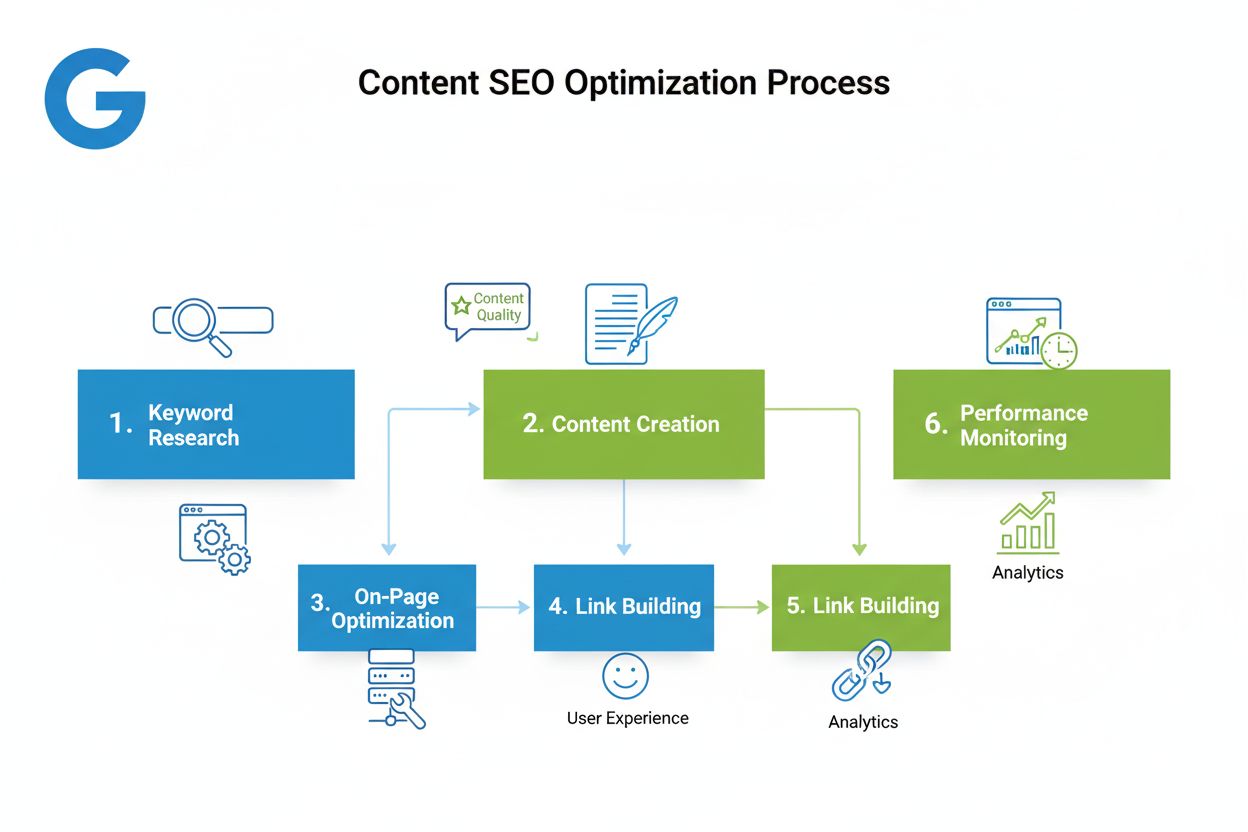
Content SEO is the strategic creation and optimization of high-quality content to improve search engine rankings and organic visibility. Learn how to optimize c...
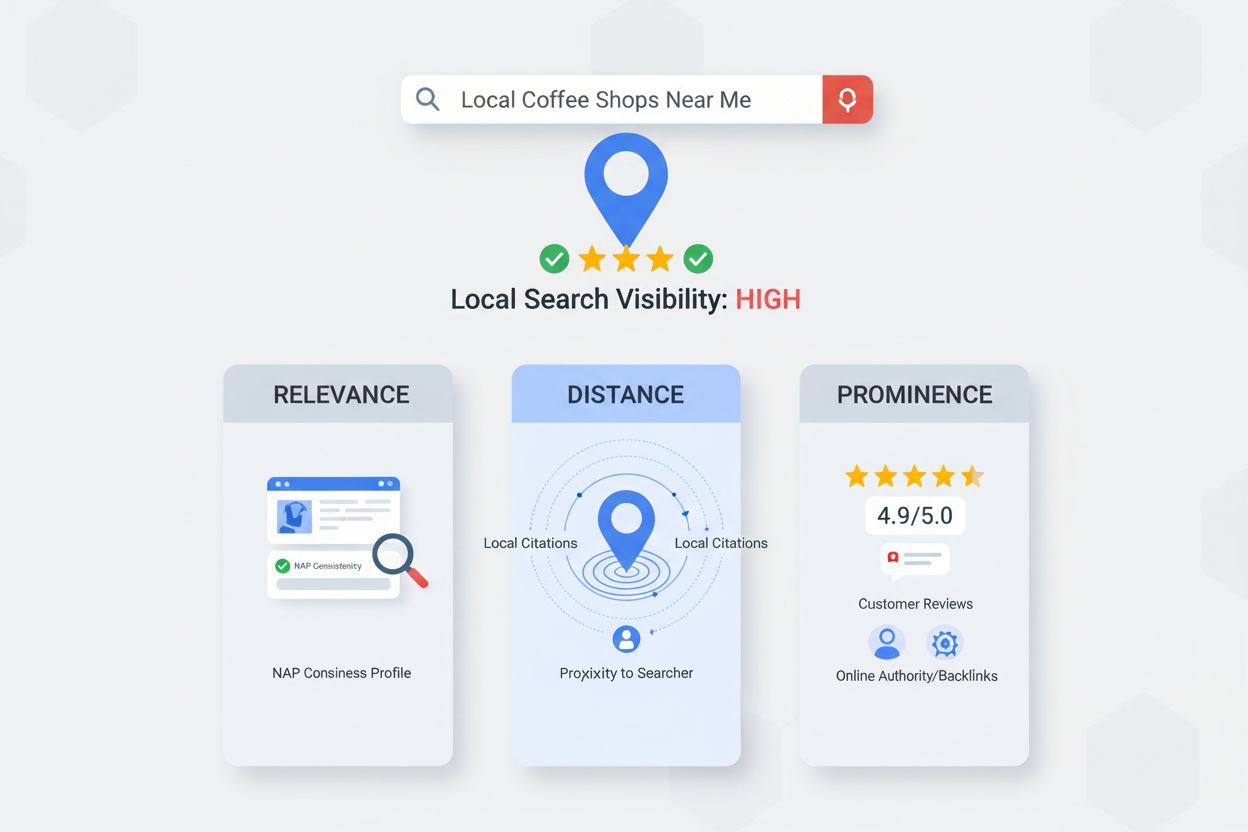
Learn what Google Maps SEO is, how it works, and why it's critical for local business visibility. Discover ranking factors, optimization strategies, and best pr...